


Engineering leader with a proven track record in leading teams at multiple product companies. Currently managing the migration of Mutual Funds to React Native at Groww and optimizing orders experience for detailed tracking of status. Notable achievements include the successful transition from email to phone number while importing external funds, resulting in a significant boost in conversion rates.
Previous roles at Cult.fit, Craftworks, and Flipkart highlight effective project management, team leadership, and technology innovation. At Cult.fit, played a pivotal role in growing Cult Live from 1K to 80K paying customers, addressing app hang issues, and implementing reliable Chromecast support. At Craftworks, as a Founding Engineer, ideated and built three products from scratch, showcasing versatility and innovation. Additionally, at Myntra, led a team in developing AI-assisted chat, contributed to the RN adoption for the Fashion Feed project, and took the initiative to build the first iOS App prototype, contributing to a 22% increase in revenue.
Projects
Building a Facebook Paper-like UI with React Native - I built a working copy of the open-close cards carousel from the original Facebook Paper app as a technical demo. It uses the Animated library and React Native.
Mapping a Room with Ultrasonic Sensors - I attempt to map the shape of my room using four HC-SR04 Ultrasonic distance sensors and a magnetic compass to measure the heading.
Scrolling Tweets - This little device gets the latest tweets from the internet via WiFi, and displays them on a tiny display.
Hungry (Design Mock) - A prototype design for a food take-away ordering app.
Nearby Cabs - Nearby cab search with RethinkDB geo-queries and changefeeds.
Dockerweb - A web UI to create Docker containers from the Docker Hub.
Event Dashboard - Realtime tweets on a large canvas using websockets
WeFiddle - An online collaborative art canvas
Thrifty - Guess the Price Game for Fashion Clothing.
Stylebook - Explore and shop for clothing collections
Articles
Myntra: A Front-end Tech Story
How to Make an Awesome Logo for Your Startup in Sketch
Attempting to Visualize a Convolutional Neural Network in Realtime
Intricacies of Traffic Sign Classification with TensorFlow
Neural Network Tuning with TensorFlow
My Lane Detection Project in the Self Driving Car Nanodegree by Udacity
Machine Intelligence Begins: How We Got Here
Videos
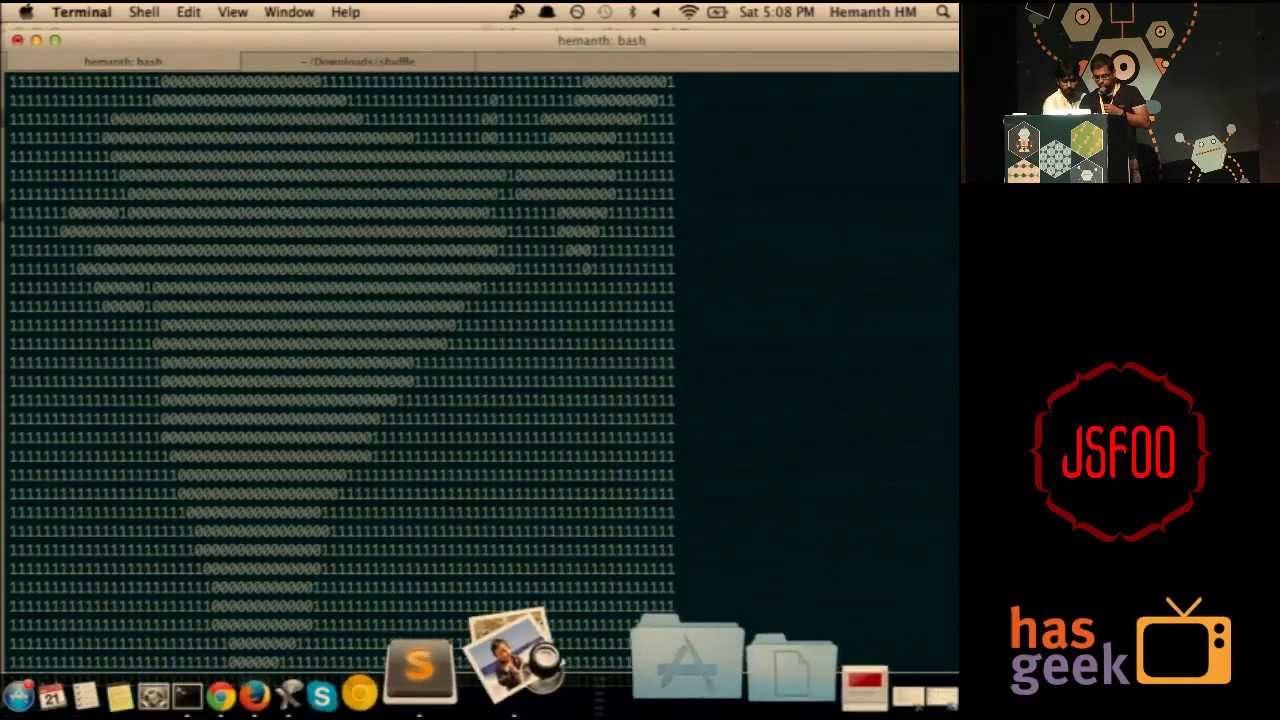 Flash talk at JSFoo 2013
Spoke about server-side rendering before it was popular. Given with my friend Chetan Agrawal.
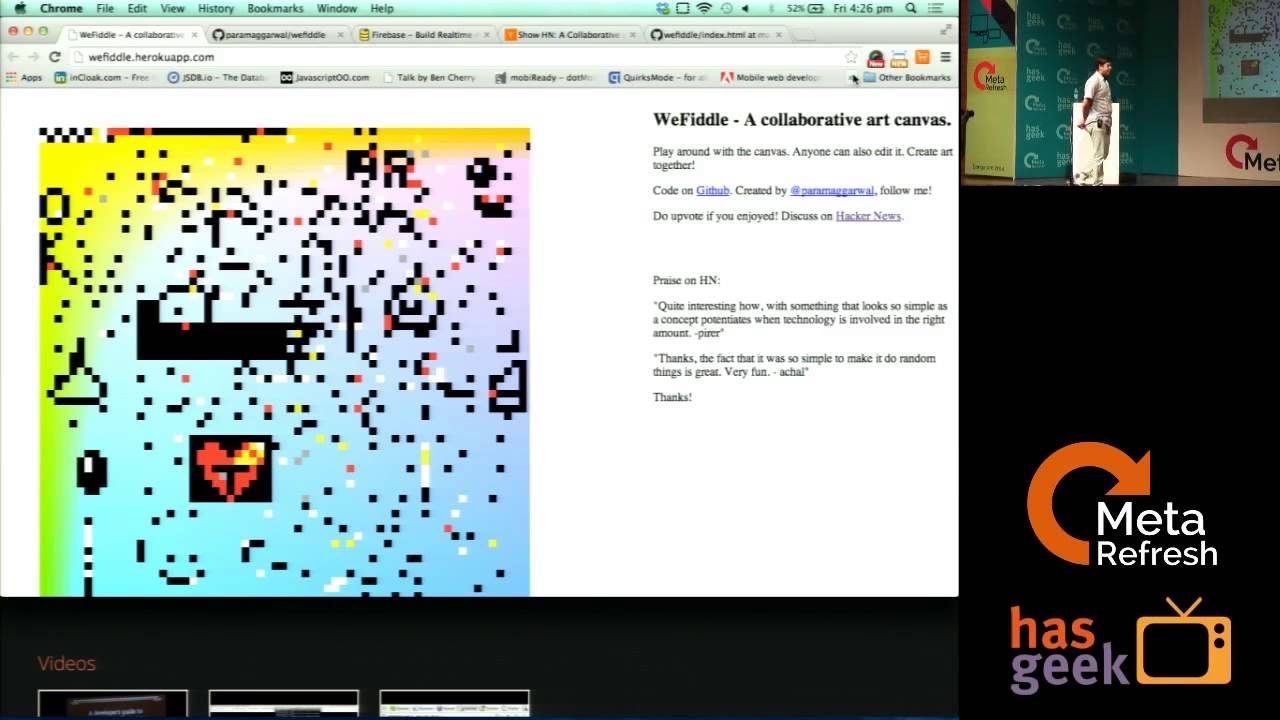 Flash talk at MetaRefresh 2014
Spoke about the proliferation of backend-as-a-service tools before they were popular. Built a collaborative art canvas that runs in the browser.
 Flash talk at JSFoo 2019
Spoke about JAM stack trend before it was popular, the idea of putting a CDN on top of the primary server and caching assets seletively.
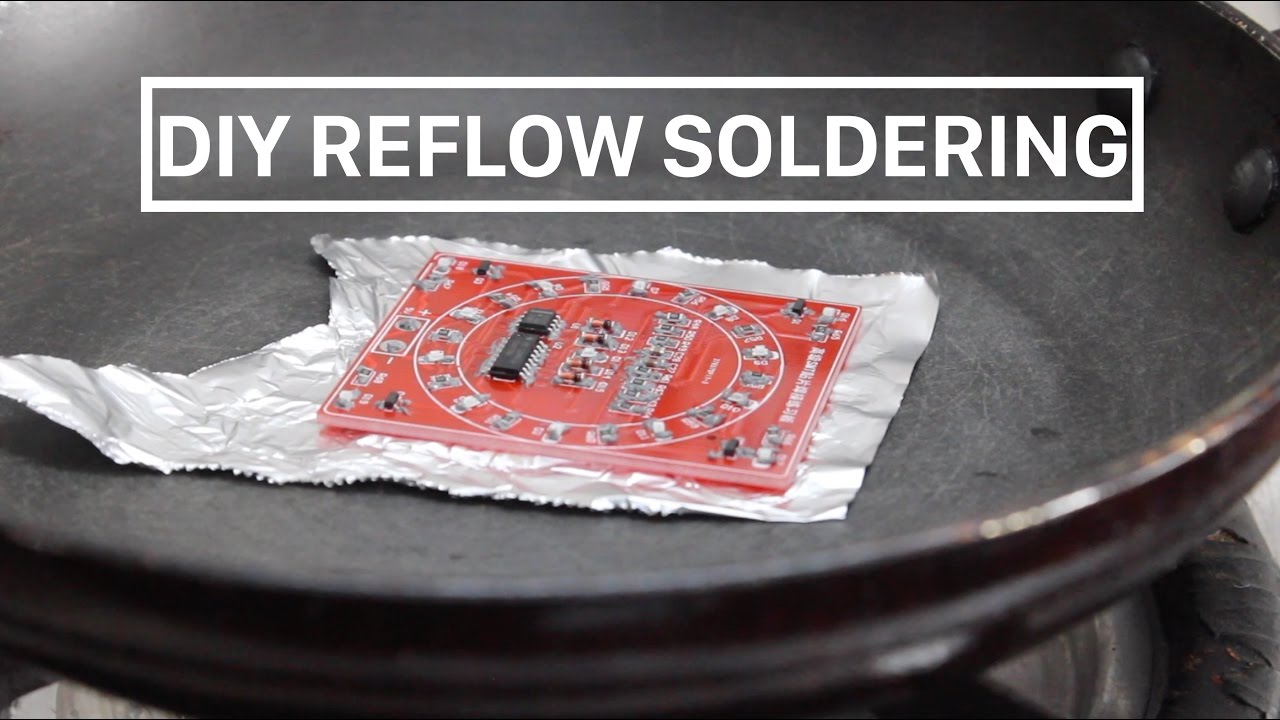 DIY Reflow Soldering at Home
SMD soldering practice with a twist - with solder paste, a hot pan, infrared thermometer and really tiny components.
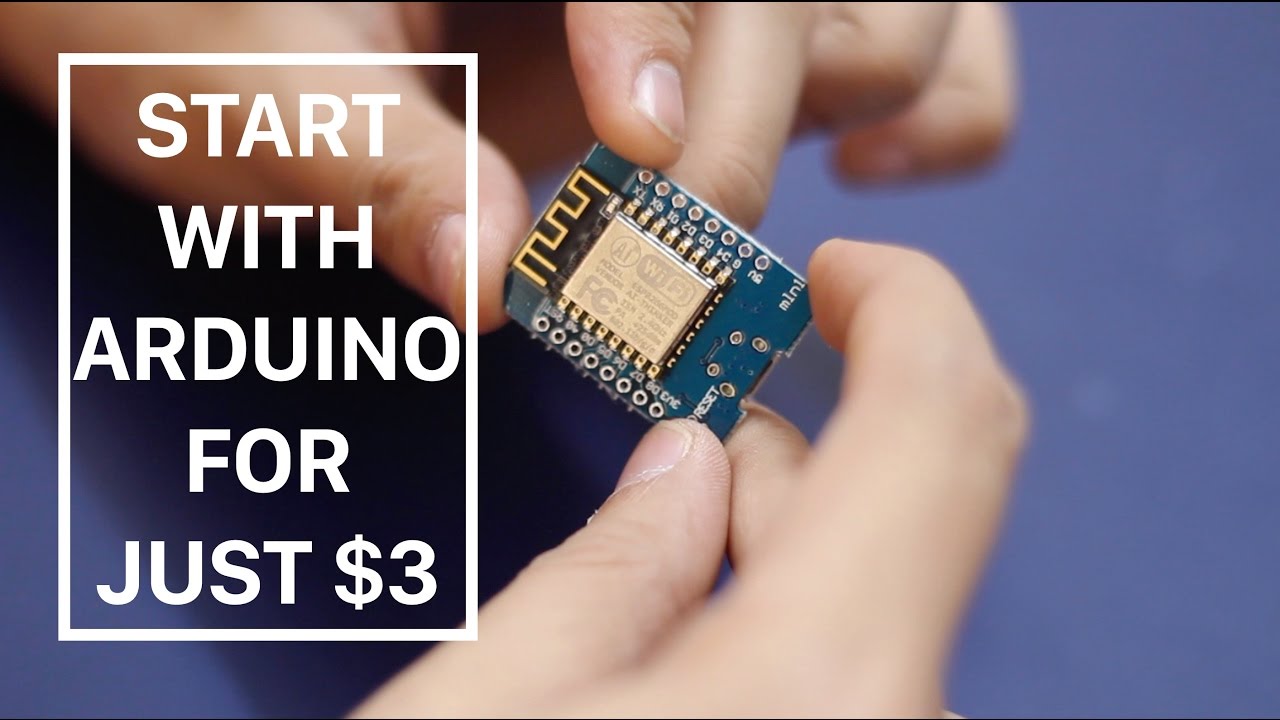 Start with Arduino for Just $3
Don’t use an Arduino Uno board — instead use an ESP8266 based module that is many times more capable than the Arduino, but still ten times cheaper!
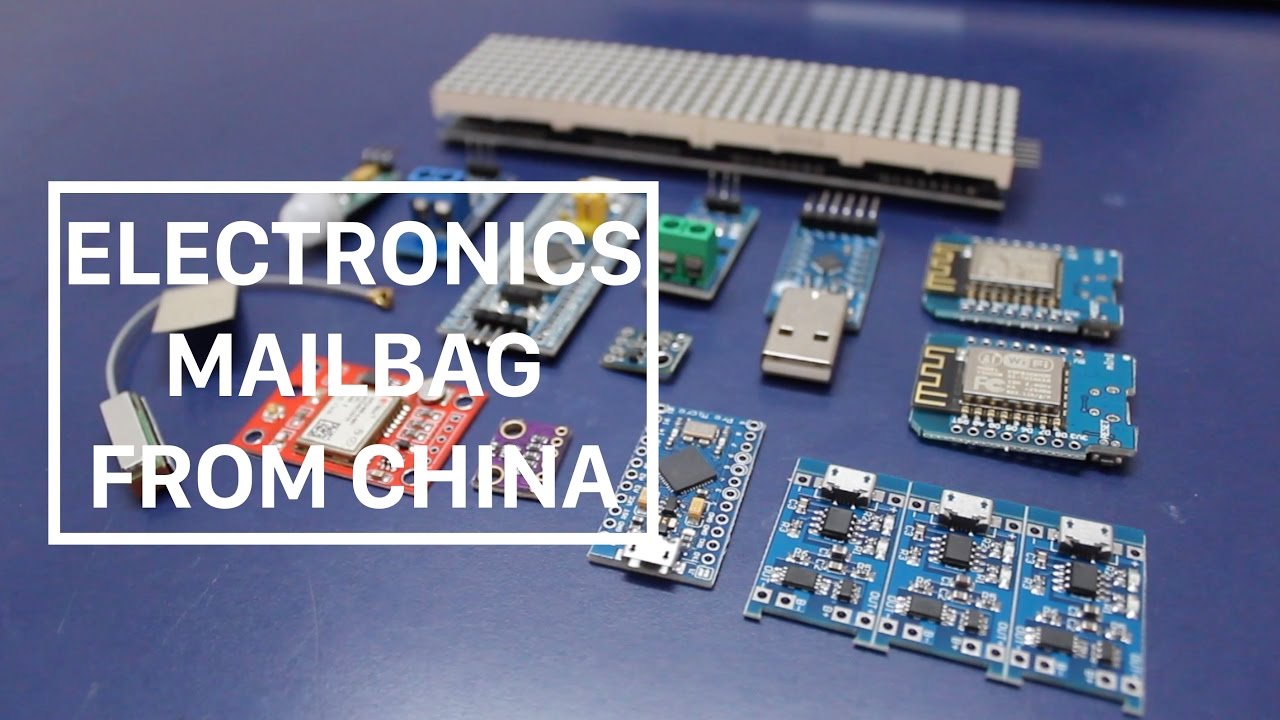 Electronics Mailbag
This was my very first batch of orders from AliExpress with WeMos, Neo6M, Sonoff, ESP8266, Arduino, STM32.
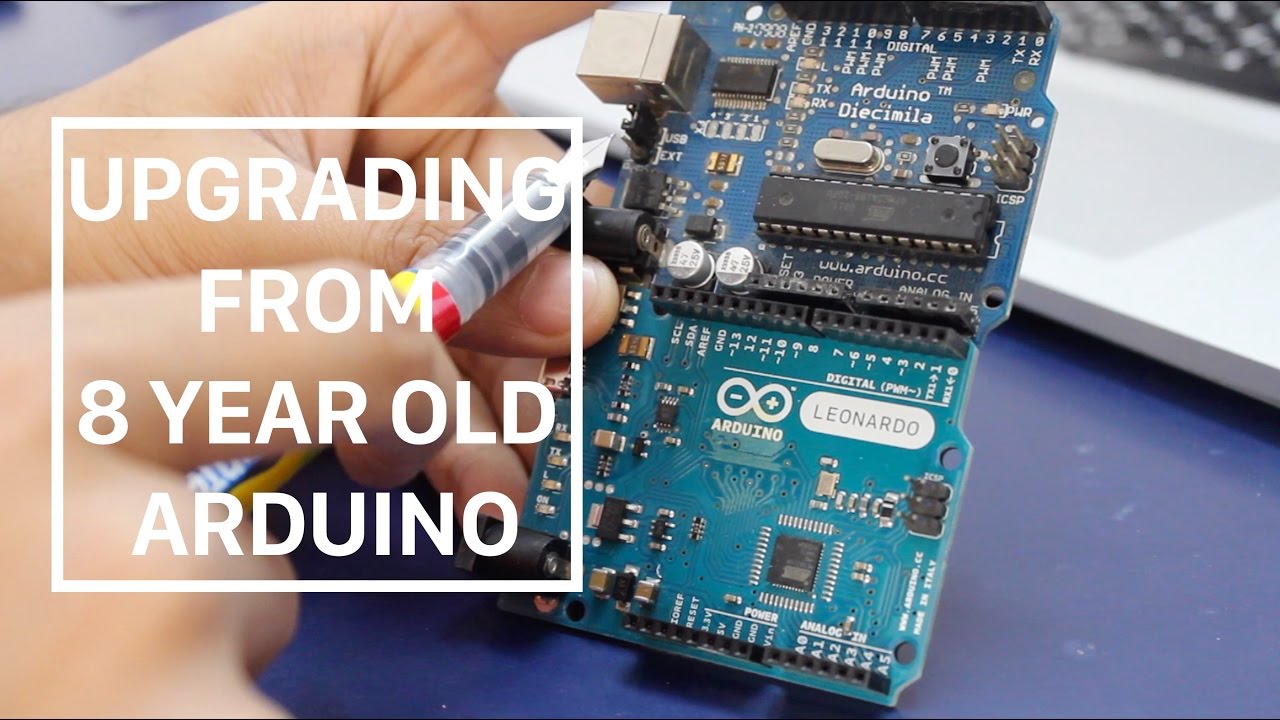 Upgrading from 8 Year Old Arduino (Leonardo vs. Diecimila)
I talk about my beloved eight year old Arduino and then we unbox my new Leonardo board.
 Meet Roy
Roy learns that life is more than what he considers it to be and people are more than what they seem to be. Fortunately, he is not too late.
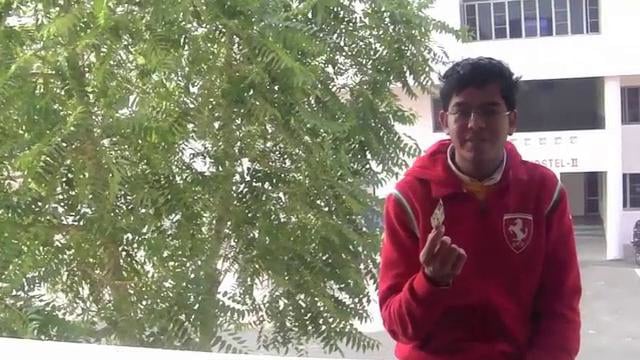 Isko Khaiye
An advertisement for a mouth freshener. A bunch of us get together to prove why you should be having it too!
 The Double-Crested Cormorant
A bird that can fly, land on water, do some fishing, and then fly again. Nature. Beautiful.
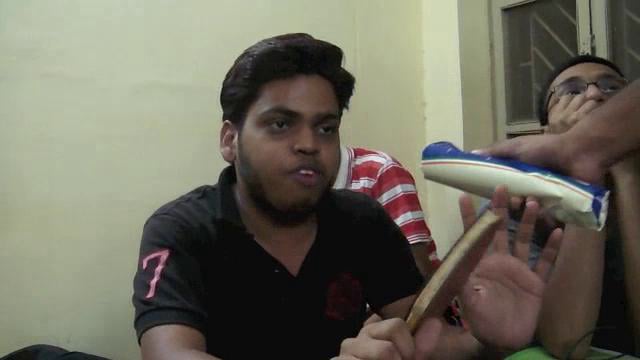 IIITA Jury - Who pays?
One guy books a ticket for two friends who don't travel, and three other friends travel on the train seats instead.
Experience
Senior Engineering Manager - Groww
- Mutual Funds & Groww Balance → Leading a team of 4 members, growing India's largest online MF provider further.
- Drove the migration of MF to RN, away from hybrid stack. This sped up feature delivery due to reduced dev effort and web team could also now contribute.
- Led the migration from email to phone number for tracking and importing external funds into Groww, which gave 3x improvement in conversion due to ease-of-use.
- Worked closely with the product to redesign the UI which explains the breakup of your outstanding stocks balance to the customer.
- Introduced monthly RCA reviews for app issues. Organised app demos before code freeze to sync all teams on outgoing app release. Aligned dev effort to fortnightly app deployments to ensure we meet tight SEBI compliance deadlines.
Engineering Manager - CureFit
- Cult Gym Experience & Workout Planner → Leading a team of 7 members, drove the efforts to migrate from React Native to Flutter to improve guided-workout screen performance on customer app and revamped trainer app to increase guidance given to users by trainers.
- Therapy Marketplace → Built self-serve class management portal to empower operations team. Evangelised no-code approach of building internal tools using AppSmith in the company. Drove future direction with product and design team. Revamped legacy Java/ MySQL backend to launch variable pricing for a marketplace business model.
- Companion App for Cultsport Workout Equipment → Led the teams from two acquired companies, who were new to Flutter, in building bluetooth-connected equipment companion app for cultROW. Defined roadmap to build supporting experience for upcoming workout hardware launches with video streaming and BLE connectivity via Flutter in existing app.
- At-home Workouts (Cult Live) → Led team of 6 members in growing from 1K to 80K monthly paying customers. Pitched new homepage for better discovery of workouts library, revamped codebase to resolve app hang issues during workout and re-wrote Chromecast support to be completely reliable. These efforts halved customer support tickets on the team. Built critical debugging framework to help look into session-level performance issues with ML inference (energy score calculated on-device using camera) and video streaming on mobile. Designed and built a complete solution to AB test different ML models for energy score calculation.
Software Engineer 3 - Flipkart
- Flipkart in Hindi → Designed language handling solution for web & react-native properties
- Flipkart Pre-order for BBD → Led implementation of app/web UI changes for pre-order functionality for BBD sale.
Founding Engineer - Craftworks Incubator
- Ideated, designed and built the following three products from scratch, with the intention of converting them into companies if there is product-market fit.
- Caliber → A recruitment platform that added verified technical interview results to your resume using trusted recruiters, built with MongoDB and Node.js.
- Bigshow → A prize-money live-trivia video streaming game meant for effective marketing and advertising, built in Go and scaled to 5000 concurrent players.
- Kubric → A no-code video-generator that allowed personalizing video ads to each individual customer, built with Node.js and Google Cloud.
Tech Lead - Myntra
- AI-assisted → Chat Led a team of 4 in developing backend + app + portal to support large number of concurrent chats for customer support agents to intervene. Built the entity extraction feature to understand intent of customer's message and auto-respond.
- Cortex Homepage Configuration Portal → Designed + built the server-driven widget configuration tool for merchandising team - written in Node.js and RethinkDB. Also implemented app-side rendering library to display the banners and widgets which could be dynamically generated.
- Fashion Feed → Pitched the use of RN for this project. Solved memory and persistence issues as it was a new framework and shared learnings in RN community. Became first engineer to adopt React Native in the company. The design decisions I made to enable this hybrid app were then replicated on Android app, and are still live on both mobile apps today.
- Myntra iOS App → Took the initiative to built the first iOS App prototype because of which we shipped the entire app 3 months before the original timeline. It contributes 22% revenue.
- Desktop Website → Existing PHP stack would fail during EORS sale, re-wrote the stack in Node.js. Was a huge success and was tested to run on a single server during regular load. Also owned the deployment infra for this app which supported instant rollbacks.
Software Engineer - Cisco
- Ensured stability, performance and throughput under various installation and upgrade scenarios of the Cisco Nexus 1000v series of switches for virtualisation platforms.
Research Assistant - NTU, Singapore
- Worked on the firmware and software for a custom embedded development for teaching undergraduate students.
- Firmware for driving all sensors and actuators on board.
- Interfaced with CPLD, FPGA and ARM microprocessor.
- The board also consisted of accelerometer, IR emitter and receiver, DAC and ADC as well as Flash storage and RAM.
Education
- Self-Driving Car Engineer Nanodegree - Udacity
- B.Tech in Electronics - IIIT, Allahabad